
Essay
What Celebrate 2026 Taught Me About Leadership
What began as a plan for a few podcast interviews became a lesson in showing up differently, building shared ownership and valuing the relationships formed along the way.
When Dylan Stafford emailed asking for students to apply to host UCLA Anderson’s Drive Time podcast, the expectation was that each selected host would interview two or three classmates.
I had a slightly bigger idea.
I had often told Dylan, partly joking, that I started my own podcast because Drive Time did not have enough EMBA voices.
But there was a more personal reason behind it.
Before our program officially began, the Class of 2026 gathered for a beach day. There were more than 150 accomplished strangers around me, and I found the experience overwhelming. By the end of the day, I had probably spoken to only 20 or 30 people.
On the bus back to UCLA, I sat beside Jacob Byrne. We exchanged names, but for the rest of the journey, I barely opened my mouth.
That quiet bus ride stayed with me.
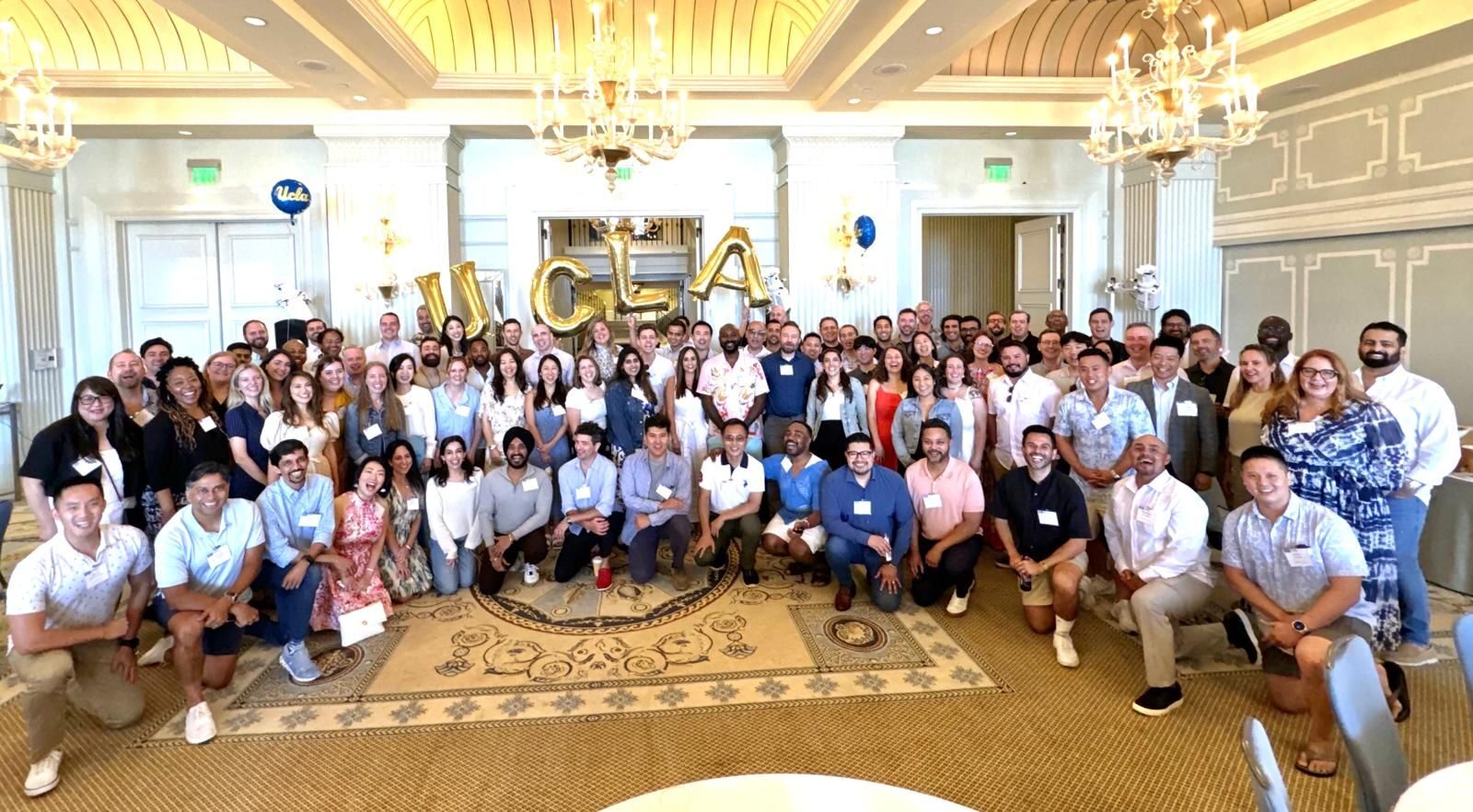
I realised that if I continued to show up that way, I might leave UCLA with the degree but miss much of what I had come for. Part of the value of business school is the people you meet, but simply being surrounded by remarkable people does not create relationships.
I had to make a conscious decision to show up differently.
That did not mean suddenly becoming an extrovert. It meant finding ways of connecting that felt natural to me. I began with small things: learning about my classmates, remembering their birthdays and reaching out to people individually.
Those one to one conversations slowly became my podcast. What began as my way of getting to know people became a way for others to know them too.
So, when the opportunity to host Drive Time came, I told Dylan that I did not want to stop with three or four episodes.
Our cohort had too many stories worth hearing.
My own podcasting experience had taught me that everyone who made it into our class had done something remarkable. Behind the titles and résumés were stories of grit, resilience, discipline, sacrifice, doubt and quiet confidence. I wanted us to bring more of those stories into the open.
Dylan could easily have asked us to remain within the original scope. Instead, he gave us the freedom to explore the idea and showed considerable grace as it became much larger.
I knew I could not do it alone.
Salo Steinvortz and I became partners in bringing EMBA and FEMBA together. He took full ownership of the FEMBA conversations, completed every show he committed to and brought a consistency that helped the wider series keep moving.
Celebrate 2026 would not have become what it did without him.
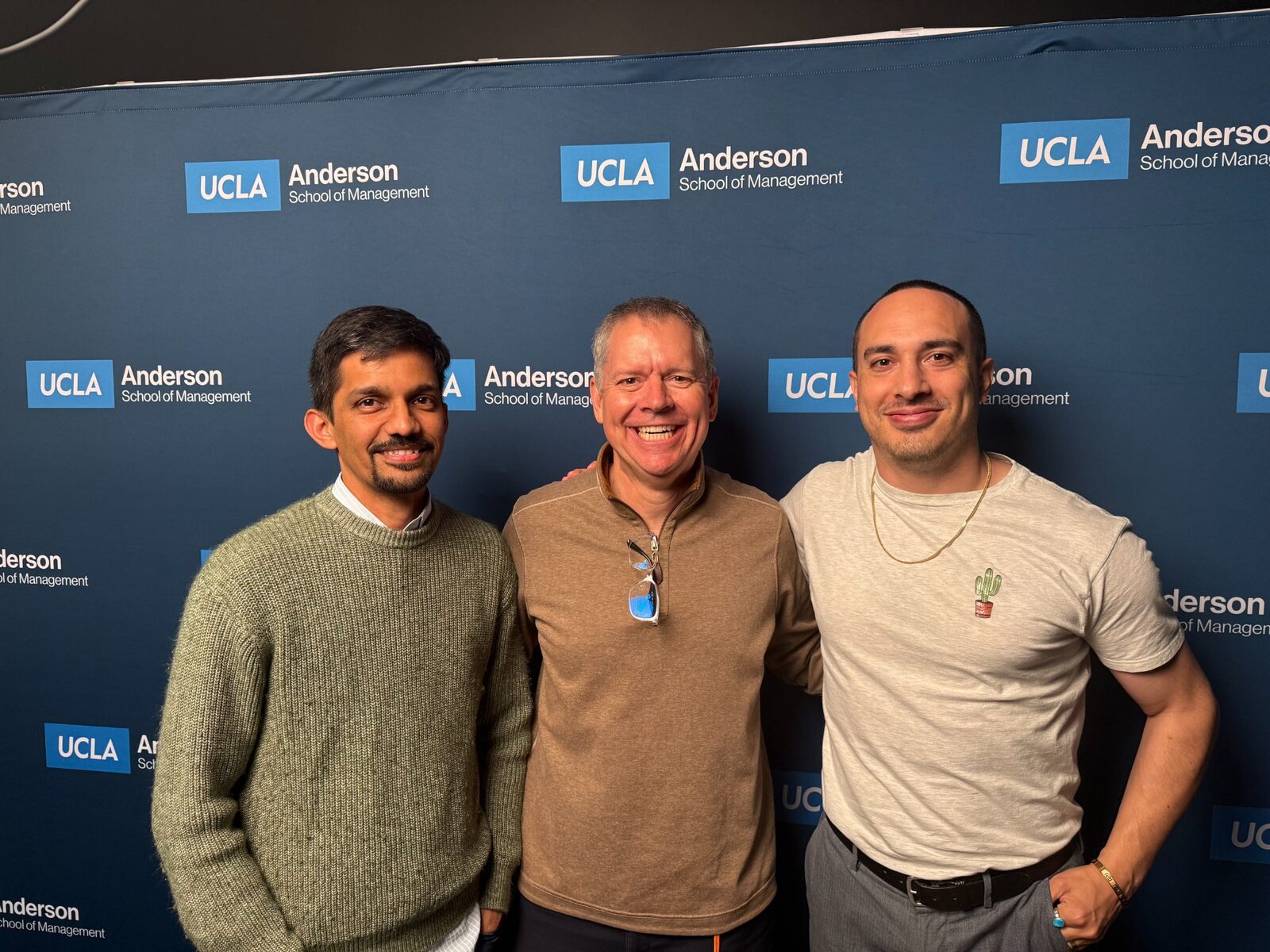
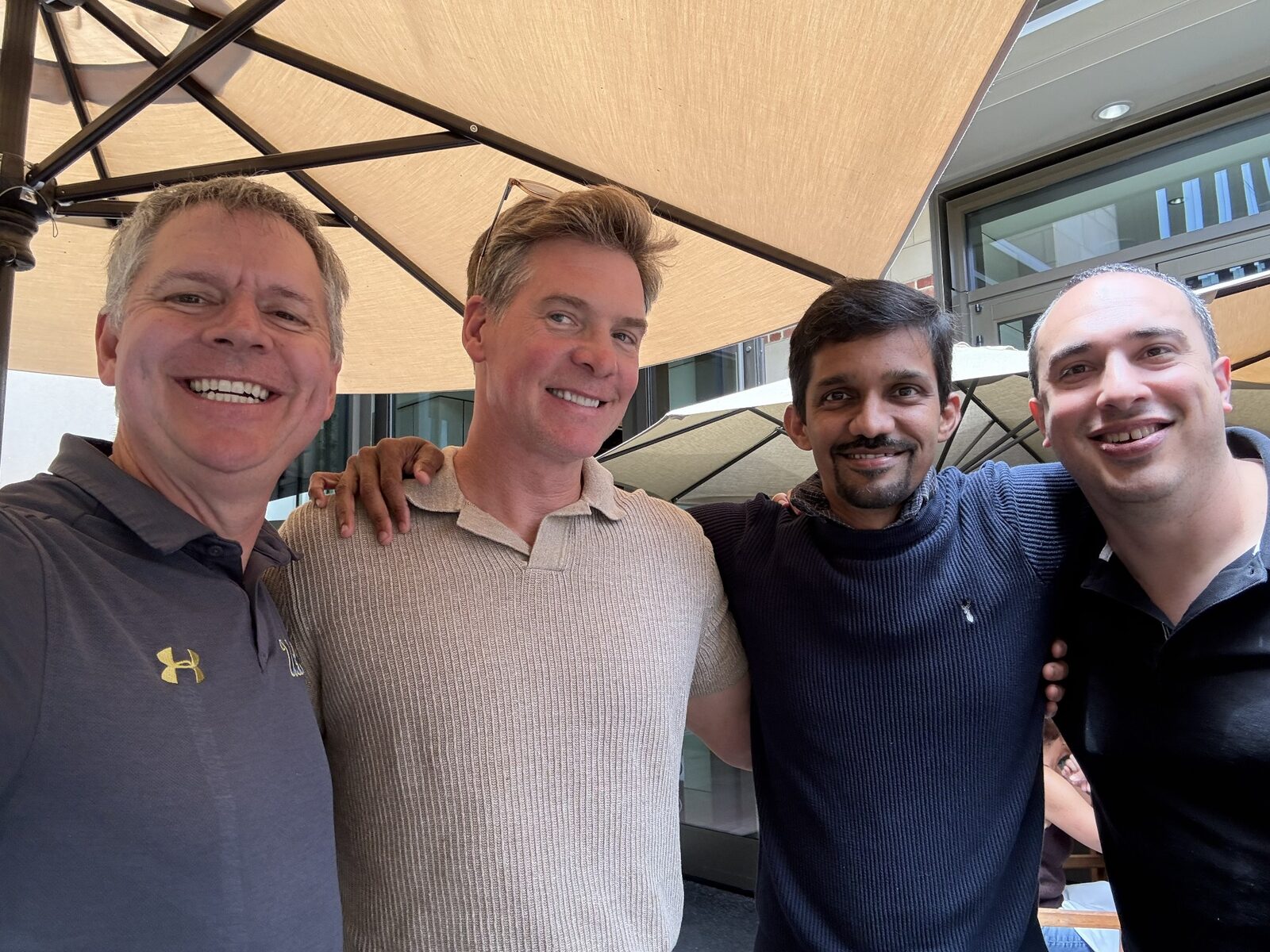
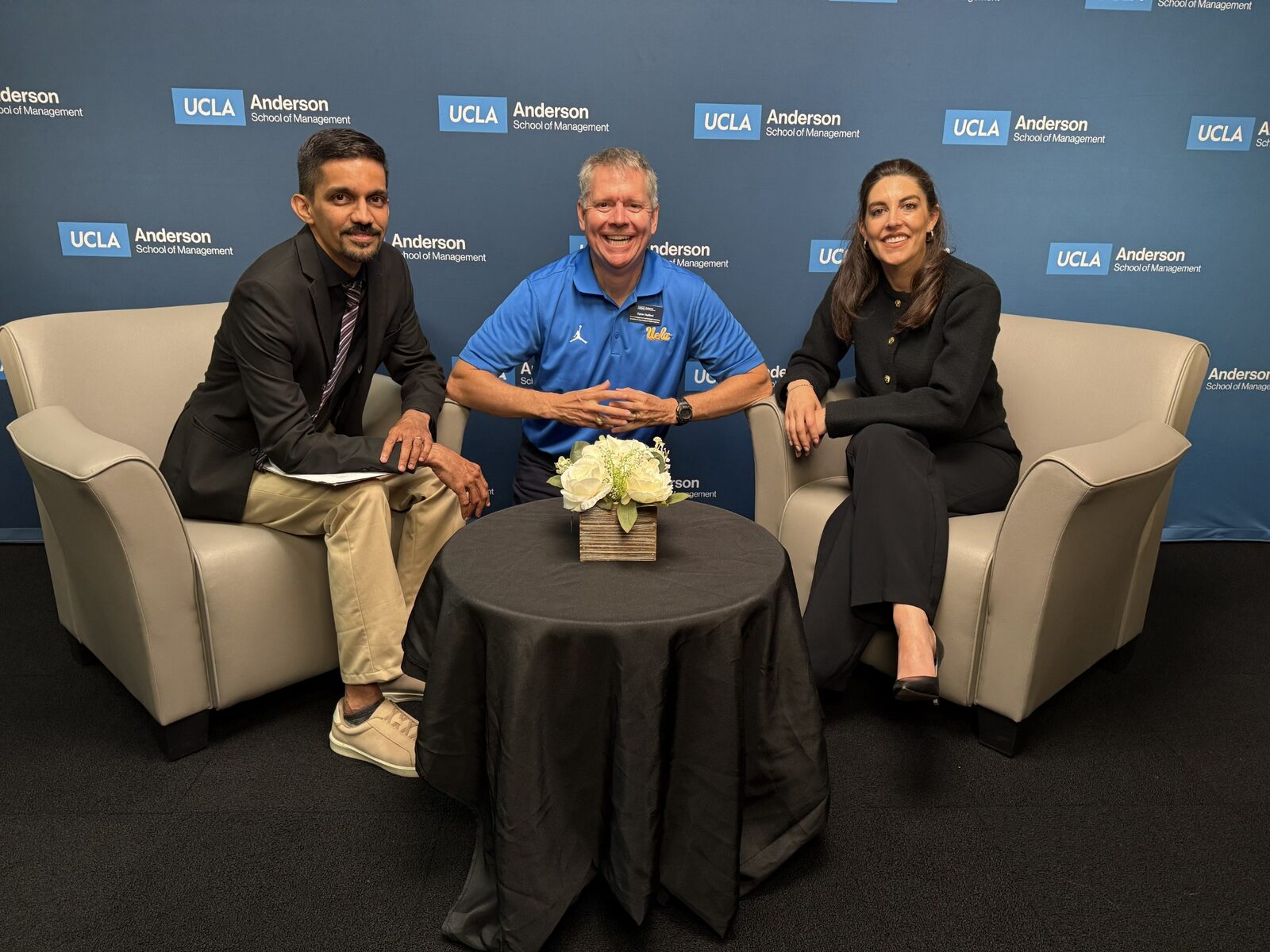
We also brought in more hosts, not only to cover more stories, but to bring different voices and perspectives to the conversations. Different hosts notice different things. They ask different questions and create different kinds of comfort for their guests.
And that is exactly what happened.
The series was peer nominated and peer interviewed. We had frameworks to help us prepare, but no scripts. We wanted each conversation to follow the person rather than a repeated list of questions.
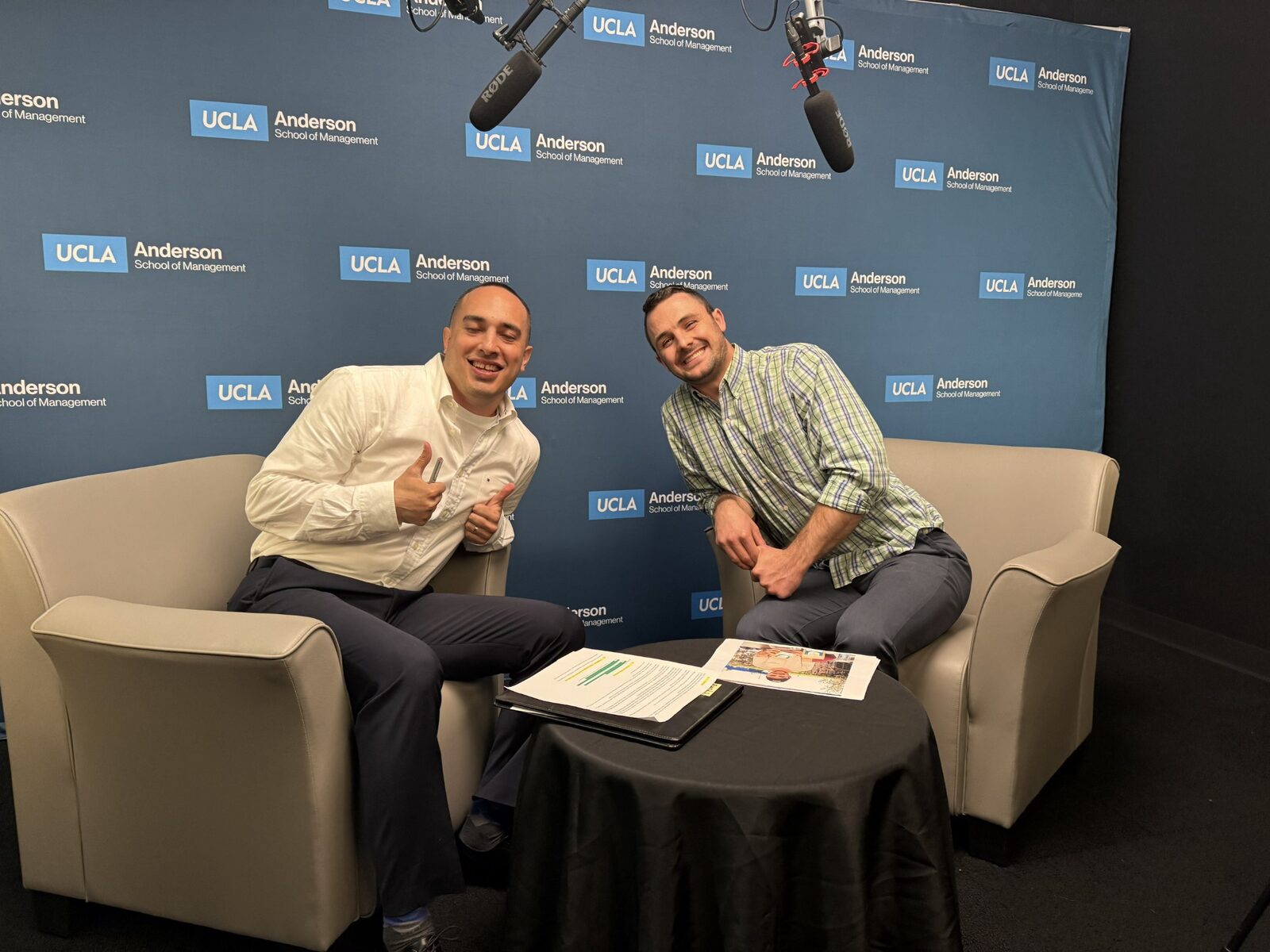
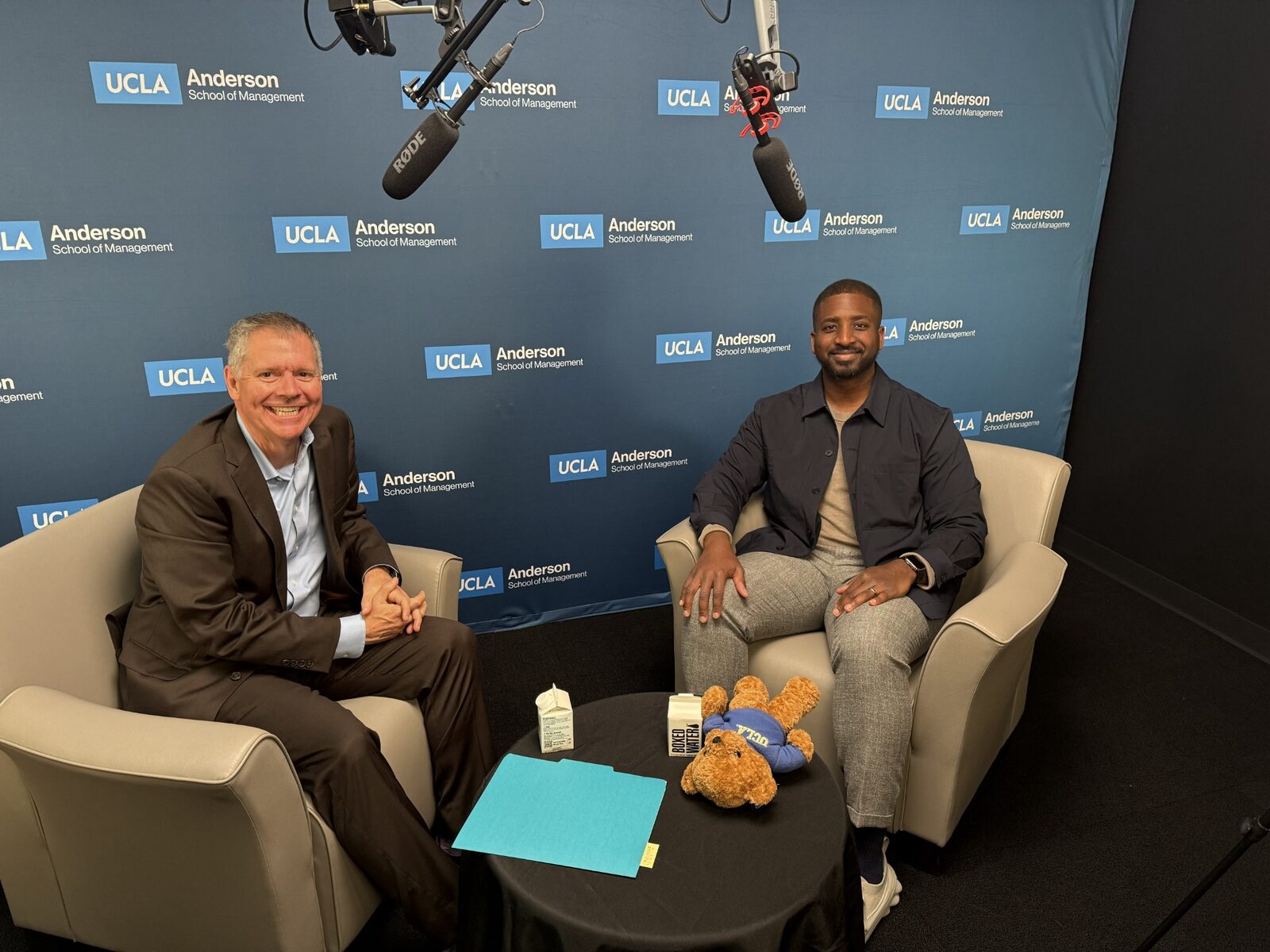
There were laughs, memories, bear hugs and sometimes tears. The conversations went beyond careers and accomplishments into family, change, difficult decisions and the experiences that shaped the people we had spent two years studying beside.
Sometimes, it was about finding that one moment in someone’s life that helped the rest of us see them differently.
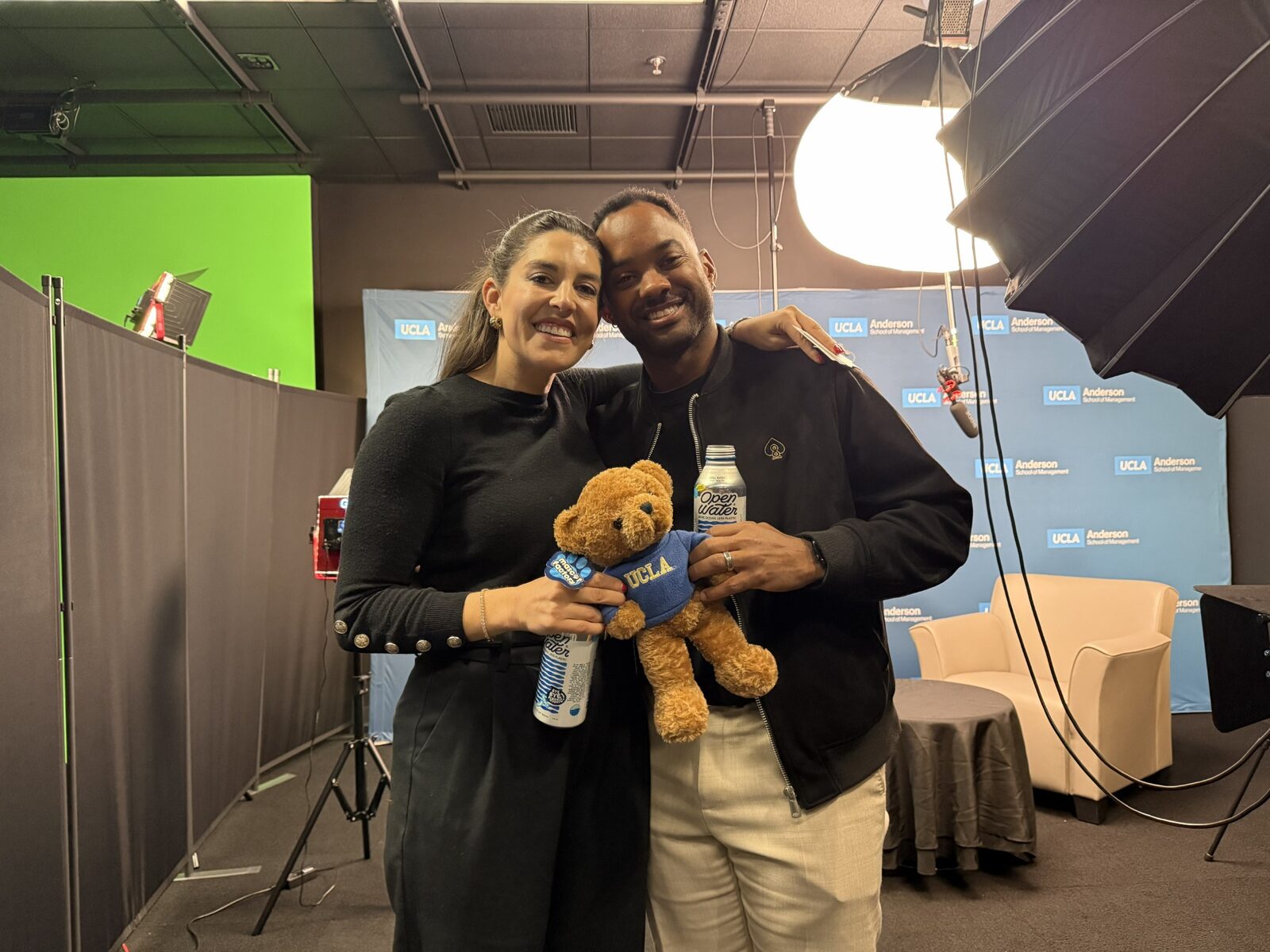
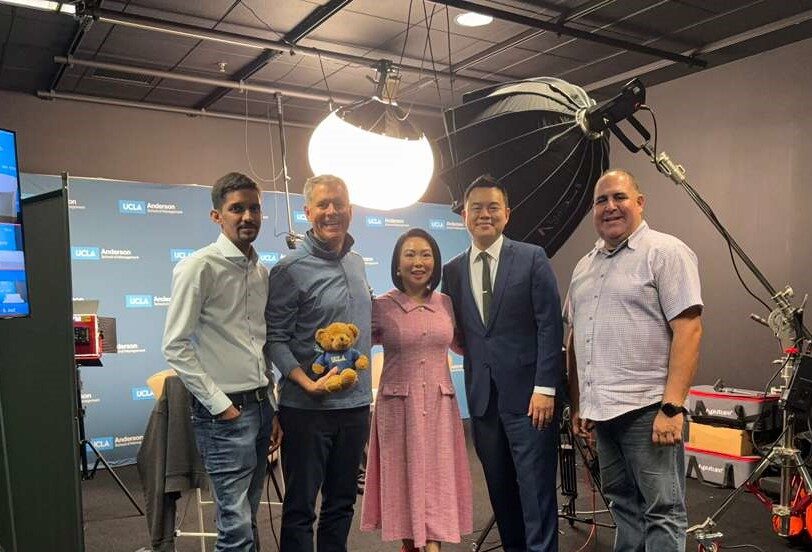
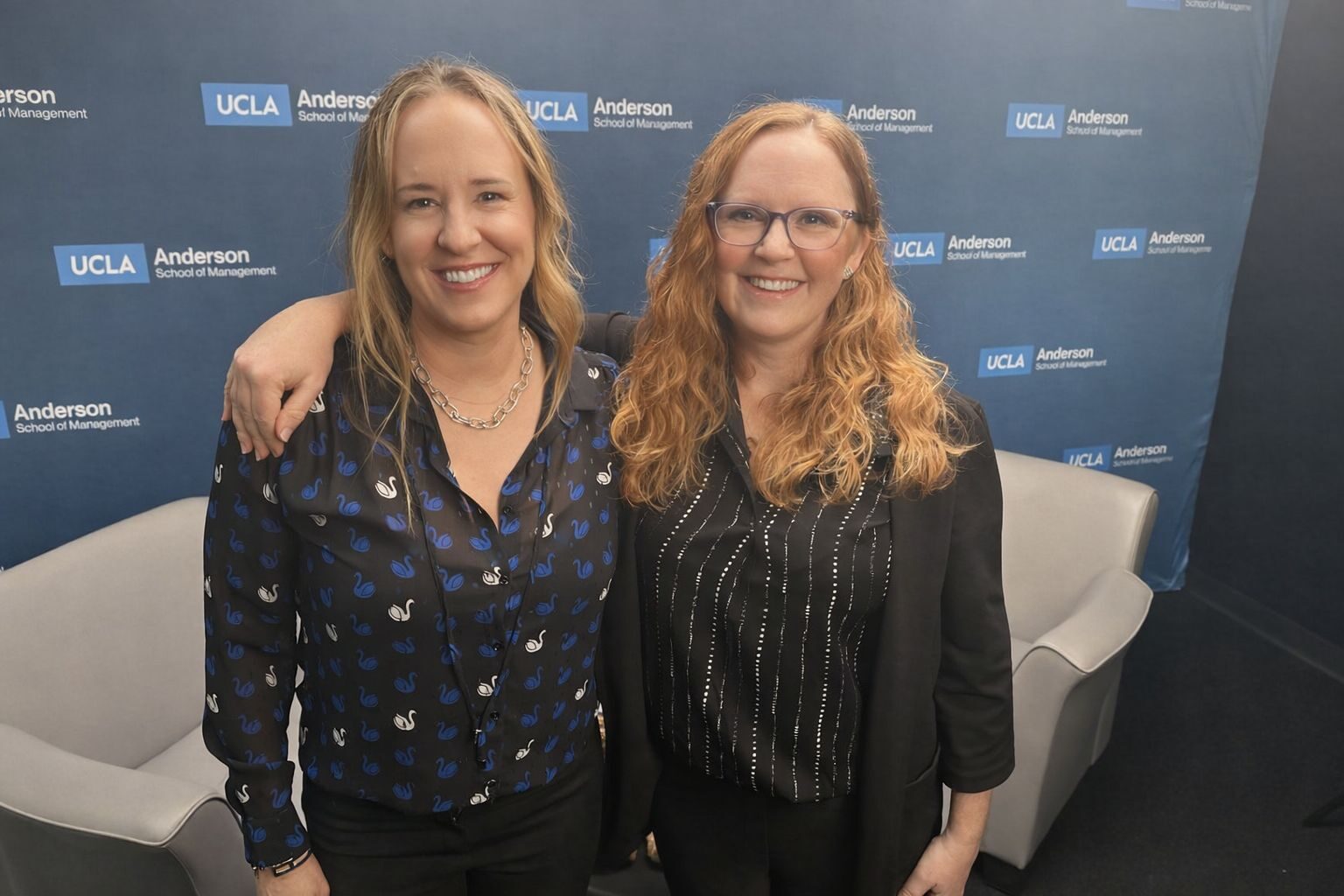
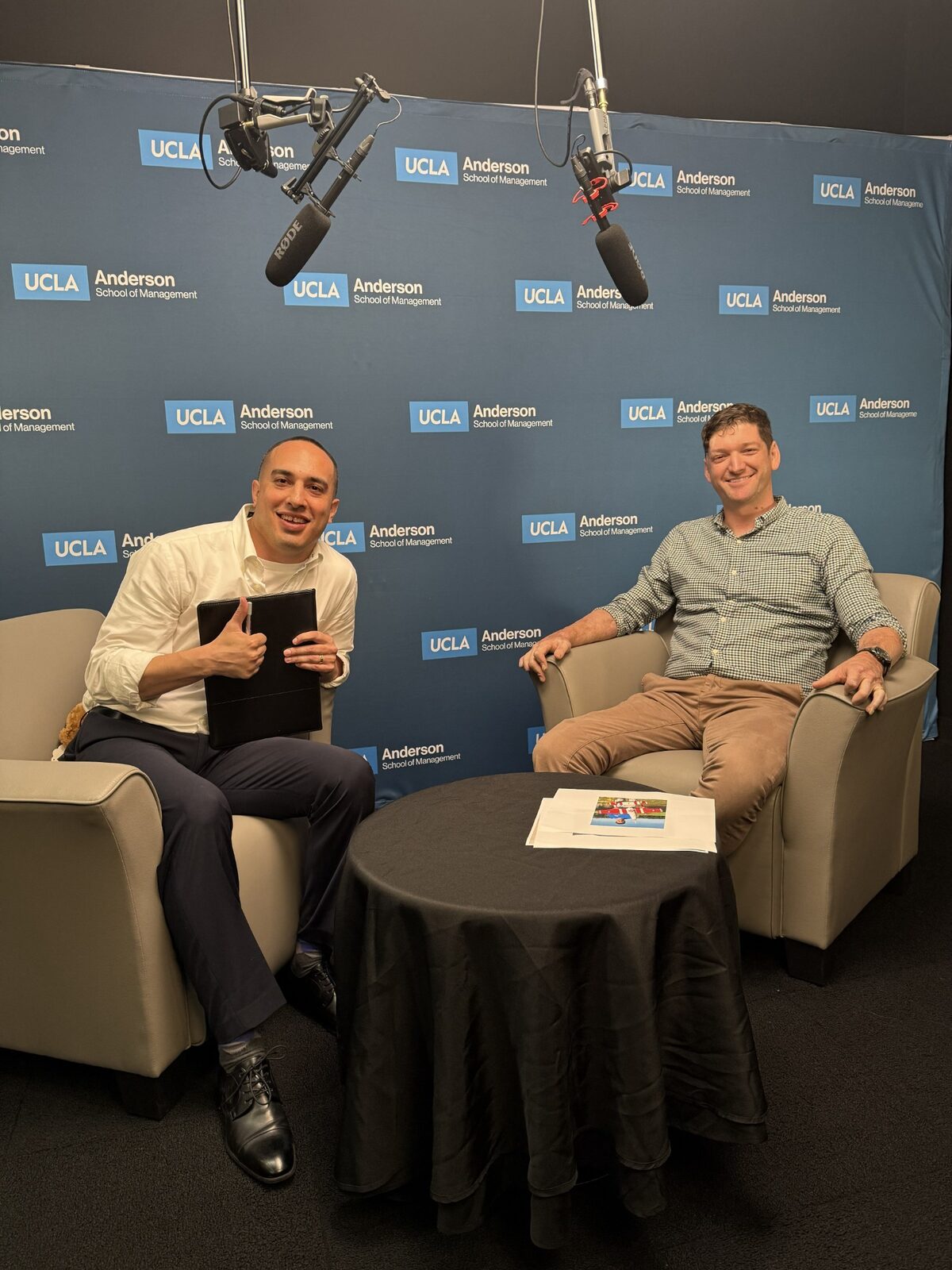
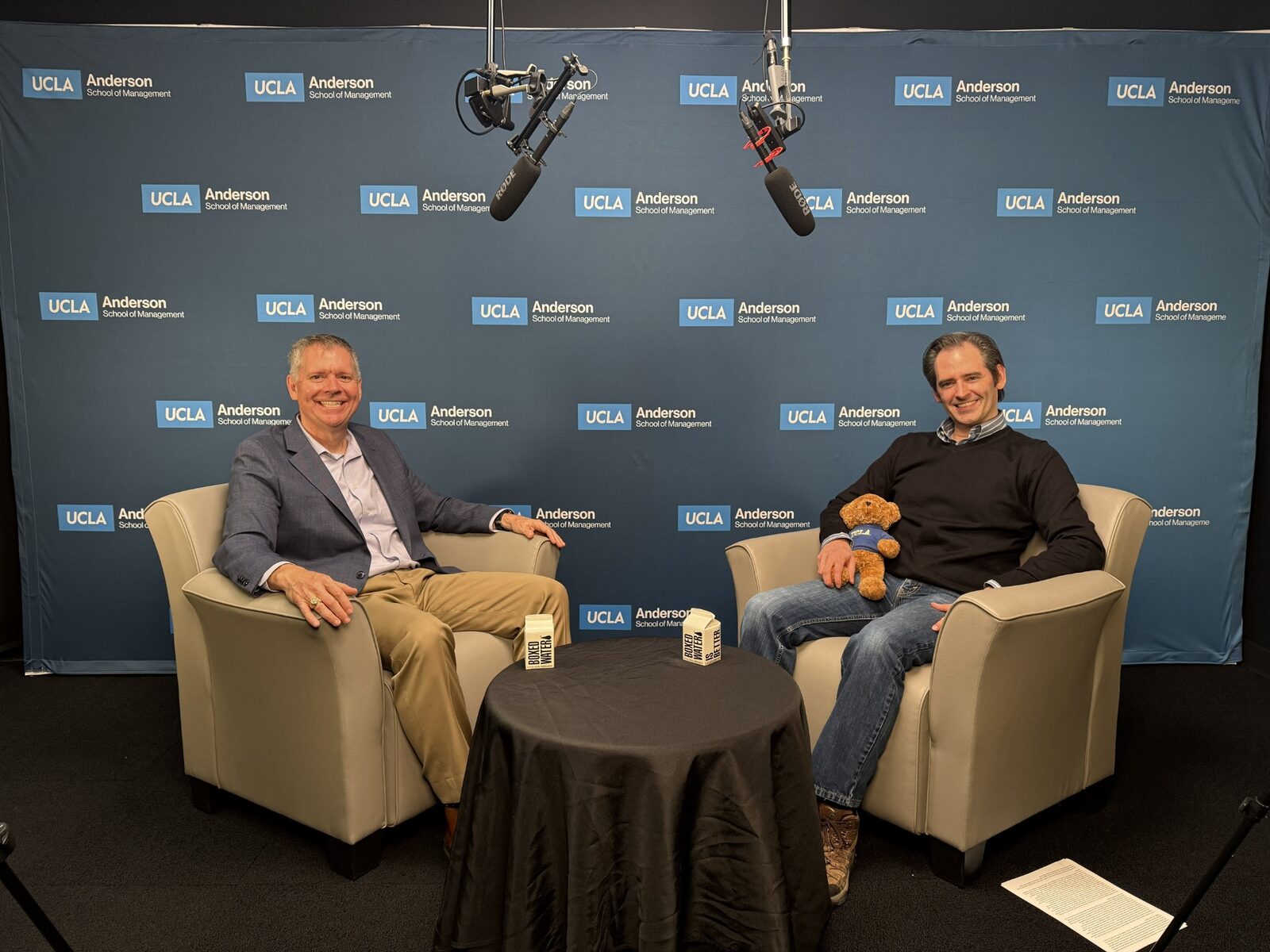
One of those guests was Jacob, the person I had sat silently beside on the bus before school began. Nearly two years later, we sat across from each other for Celebrate 2026 and spoke about his life, setbacks and transformation.
I could not have imagined a more fitting full circle moment.
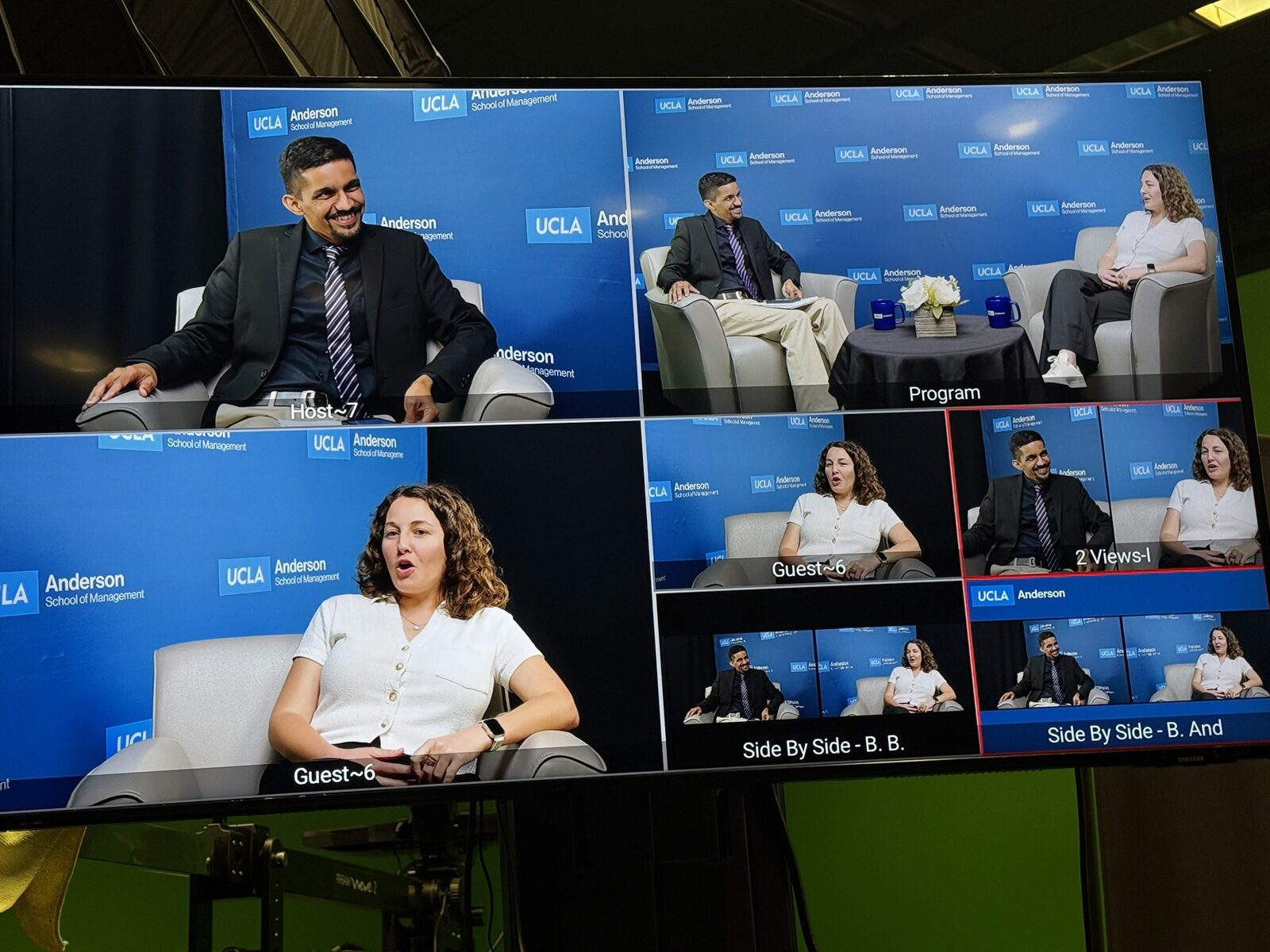
Behind those conversations was a lot of work that nobody listening would see: peer nominations, guest research, weekly planning calls, interview preparation and the constant effort of aligning hosts, guests and studio schedules.
There were days when I wondered whether I had made the idea too big.
But whenever a conversation revealed something about a classmate that most of us had never known, I was reminded why the effort mattered.
I thought about sharing one thing I learned from every guest, but I quickly realised that list would become another essay.
Perhaps that itself says something: I did not leave a single conversation without learning something, or without seeing that person a little differently.
To every guest who trusted us with your story: thank you. These conversations may have been created to help others know you, but each one also taught me something.
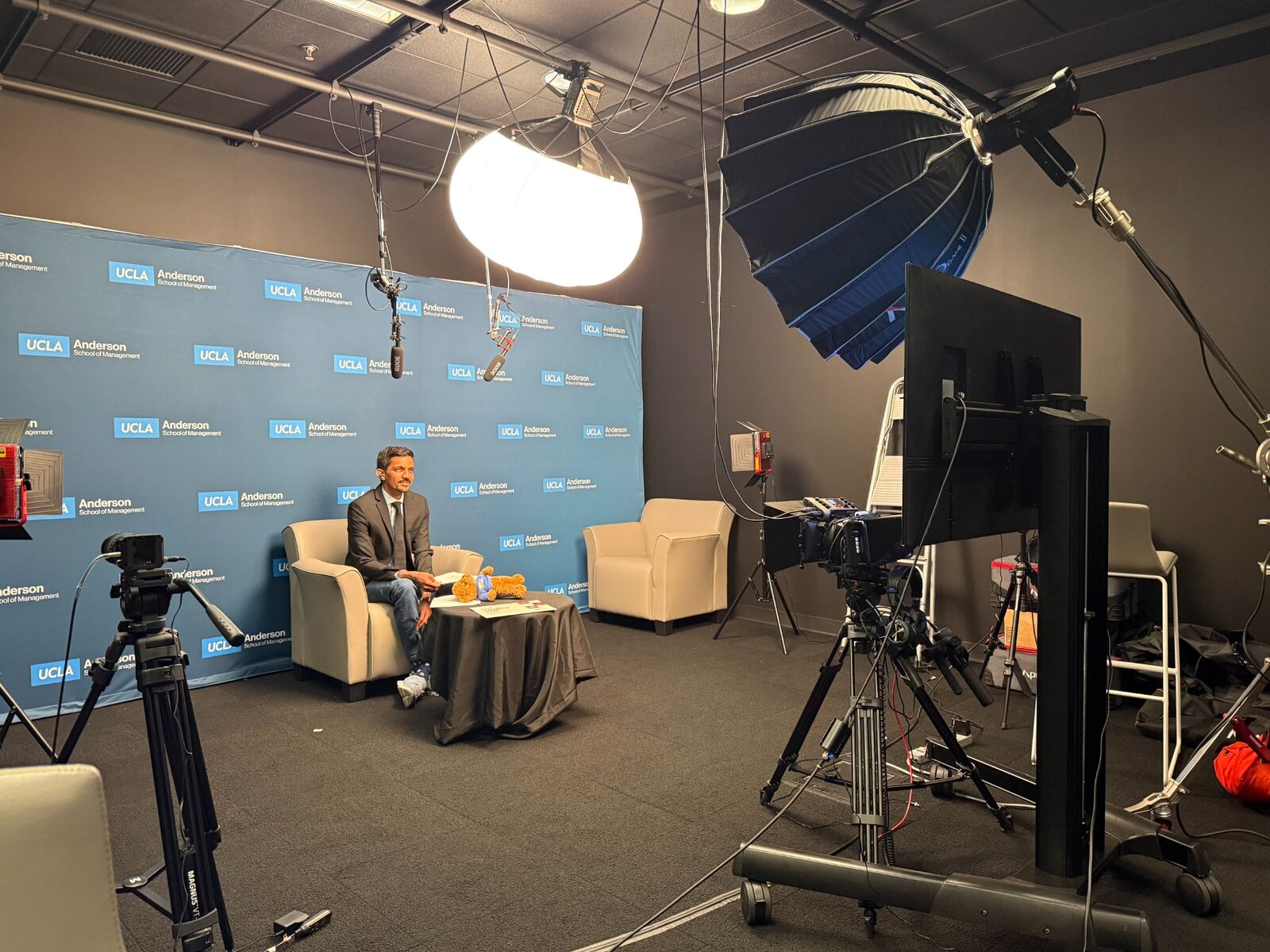
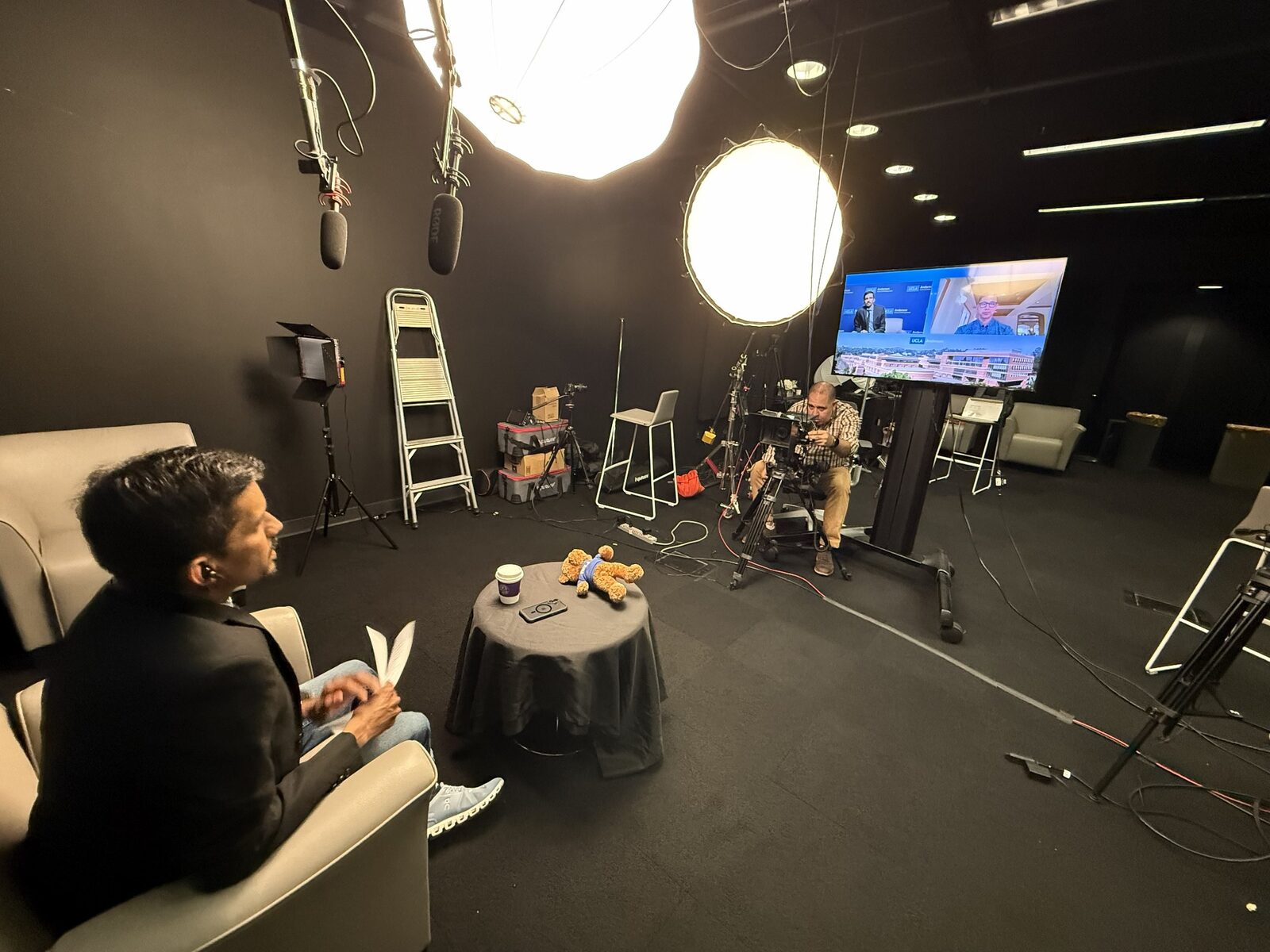
The experience also taught me something about collaborative leadership.
People can believe in an idea and still have demanding careers, families and responsibilities. Enthusiasm and available capacity are not always the same.
At times, I relied too much on my own persistence to keep everything moving. If I did this again, I would spend more time at the beginning aligning ownership, expectations and ways of working.
That is not a reflection on anyone’s commitment. It is something I learned about my own approach to leading work in which everyone was contributing voluntarily.
Shared ownership has to be built from the beginning. It requires clarity about expectations, capacity and how each person wants to contribute, not only enthusiasm for the final idea.
The series continued even after graduation.
I felt UCLA NUS should be included because its students were also part of the wider UCLA community. When I raised the idea, Dylan and Angela supported it immediately. With Manuel’s help, we found a way to record the final conversations remotely.
What began as a few proposed interviews eventually became 28 episodes, 29 guests, six hosts and stories across EMBA, FEMBA and UCLA NUS.
But the numbers are not what I will remember most.
I will remember Dylan’s trust, Salo’s ownership, the individuality of every host, the openness of every guest and the UCLA team that gave a student idea the space to grow.
I am grateful to every host who brought their personality to the conversations, every guest who trusted us with their story, every classmate who nominated someone and everyone at UCLA who contributed behind the scenes.
I also learned that UCLA has far more resources and openness than students sometimes realise. When you bring forward an idea, people are often willing to help you explore it. I only wish I had understood that earlier. We might have attempted even more.
Celebrate 2026 also gave me something I had not expected.
Salo, Dylan and I met almost every week. The calls were meant to plan episodes, but they often became much more than that. We checked in on one another, explored ideas and discussed life well beyond the podcast.
Salo brought a perspective and steadiness that strengthened both the series and my own thinking. During those calls, Dylan shared a kind of wisdom that is difficult for me to put into words. I seemed to leave every conversation having learned something, not only about the work, but also about people and life.
Over time, what began as a working relationship became friendships I deeply value.
Now that the series has ended, I miss those weekly calls.
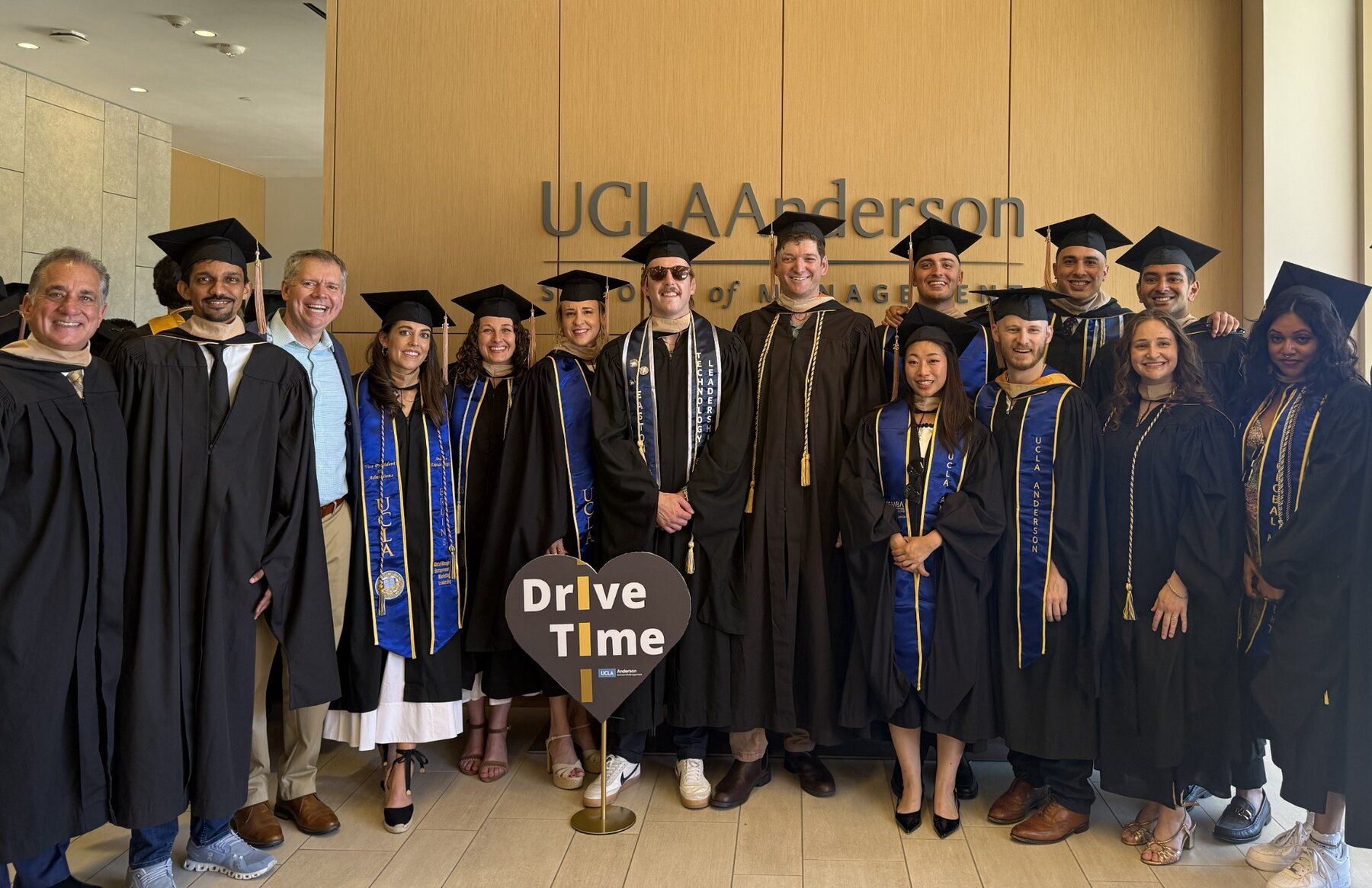
When we began, I thought the outcome would be the episodes.
Looking back, the episodes were only the visible destination. What made the experience meaningful was everything that happened along the way: the conversations, the difficulties we worked through, the trust people placed in us, the lessons we learned and the relationships that quietly grew.
Celebrate 2026 taught me that leadership is not having the biggest idea or receiving the most credit.
It is knowing that you cannot do it alone, creating enough trust and space for others to make the idea better, and remaining open to being changed by the people who walk beside you.
We often begin by focusing on what we hope to create.
Only later do we realise that who we become and who walks with us while creating it may matter far more.