
Essay
Are We Really Eating Food, or Additives?
Using the Yuka app to scan groceries revealed how much of what we buy is closer to chemistry than food, and what that means for the planet.
At home, we've always tried to eat healthy, mostly thanks to my wife, who keeps us on track. But honestly, I never realized how much of what we eat isn't real food until I started using the Yuka app.
What surprised me most weren't the calories or sugar, but the additives. According to The Guardian, ultra-processed foods now make up 70% of what's sold in grocery stores and more than half of the calories we consume.
That number made me pause. We may be shopping for food, but most of what we're buying is chemistry.
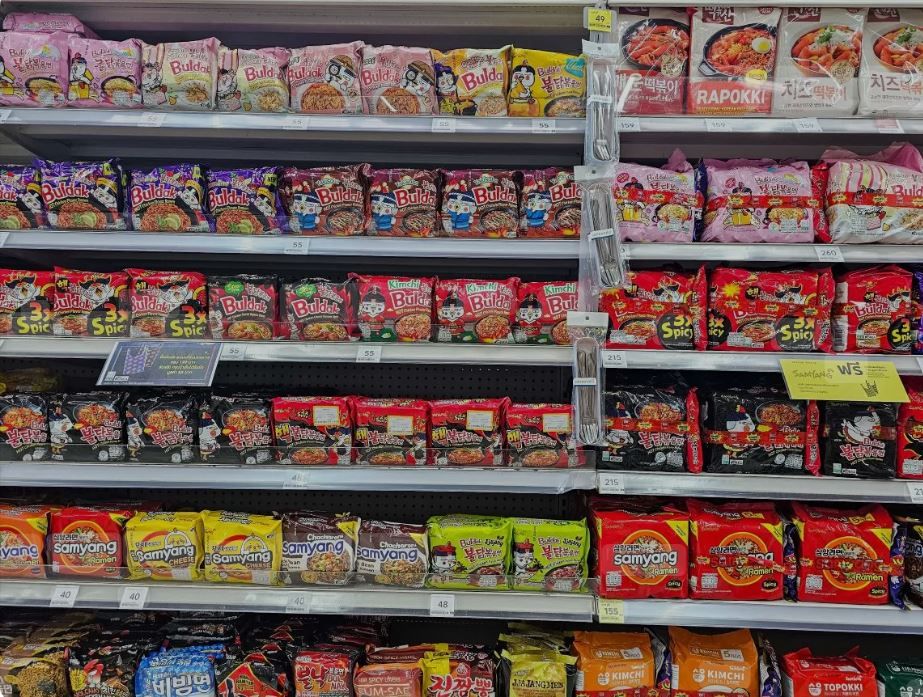
One detail from the article blew my mind: making a common chocolate additive from soybean oil requires steps like degumming in a hot reactor, chemically isolating phospholipids, and decolorization using hydrogen peroxide. And a common sweetener starts off as corn steeped in acid, then broken down using enzymes and acids, and recrystallized. That's what goes into something that ends up in my mouth.
And when you think about the energy, chemicals, and global transport behind every ingredient, it's easy to see how our food choices link directly to emissions and the environment.
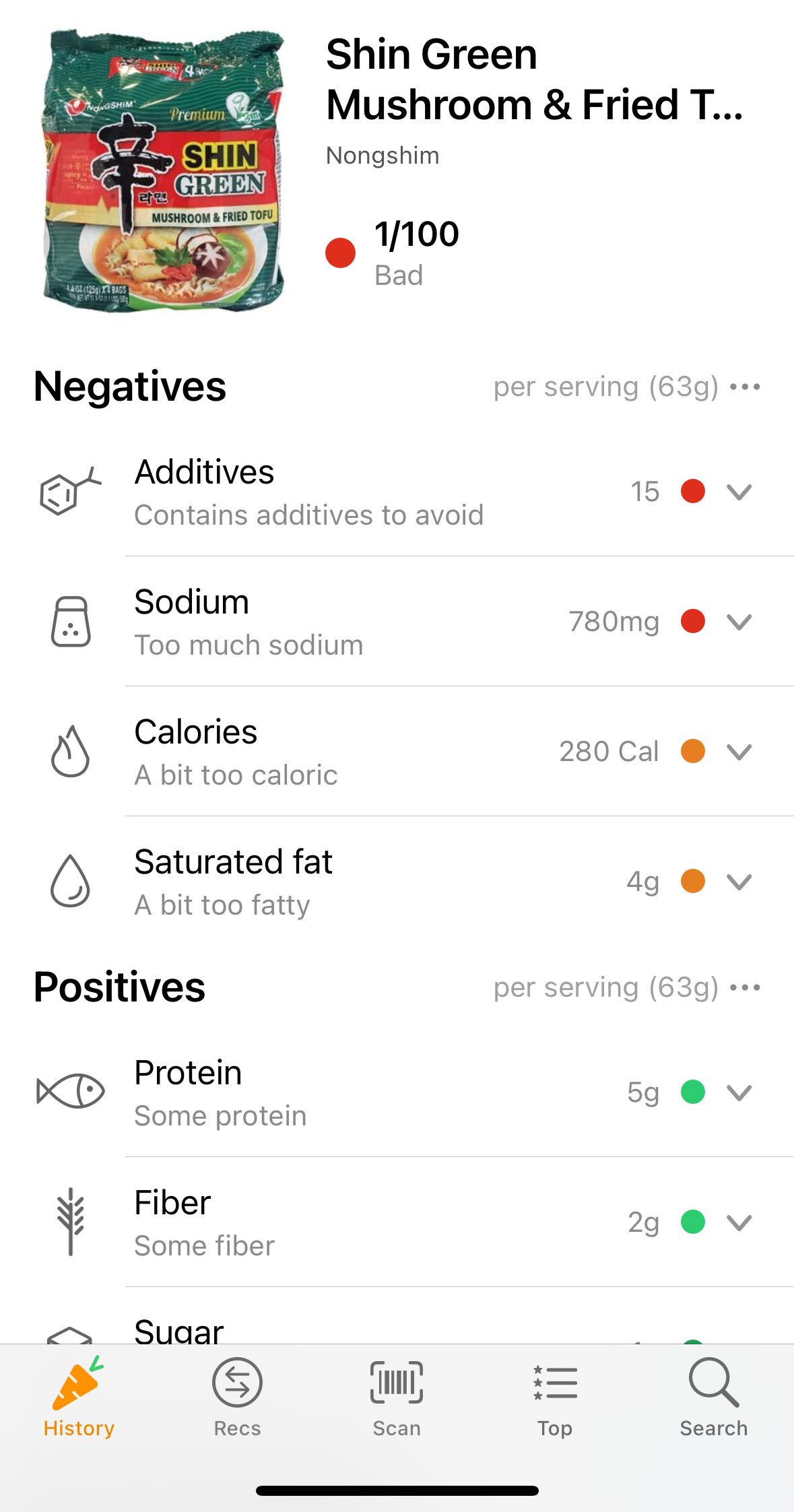
For me, Yuka has been a real eye-opener. I now scan products just to understand what's actually inside, and it's changed how I look at everyday food.
Sometimes awareness begins with a quiet scan, and a louder wow.